

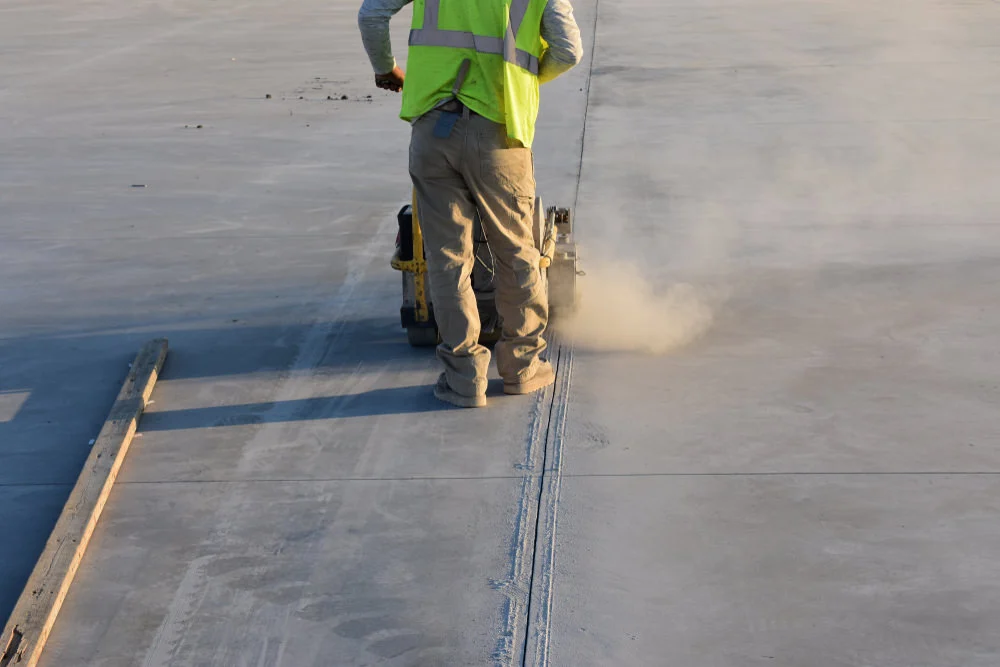
Cutting concrete floors is a critical part of the construction process. Whether renovating residential structures or building large-scale industrial buildings, its role cannot be taken for granted—it helps prevent cracking, ensures structural integrity, and prevents costly repairs over time.
If you’re new to cutting concrete floors, we’ve got you covered. As trusted Brisbane hand and ring sawing experts who have helped numerous Australian clients since 2003, we offer unique insights to help you succeed.
Key Takeaways
- Concrete floor cutting requires careful planning to identify potential hazards and prevent structural or safety risks.
- Conducting concrete scanning before cutting helps detect hidden utilities such as electrical wiring, pipes, or rebar.
- Proper equipment inspection and maintenance are essential to minimise vibration, blade failure, and accidents during cutting.
- Establishing controlled work zones and restricting access improves safety for workers and bystanders during cutting operations.
- Selecting the correct cutting method and tools for the concrete structure helps achieve precise results while protecting structural integrity.
This blog outlines the best practices for safely cutting concrete floors, empowering you to perform this task with confidence.
Best Times to Cut Concrete Floors
Industry experts recommend cutting concrete floors during these construction and renovation phases:
- New projects: Precise cuts prevent cracking due to curing stresses. They make the concrete shrink to the desired size, retaining its visual appeal and structural integrity.
- Renovation/remodelling projects: Concrete cutting enables various applications to be integrated into existing structures. For example, accurate cuts on concrete structures enable new plumbing systems to integrate seamlessly with existing slabs.
Things to Keep in Mind When Cutting Concrete Floors
Understanding the critical considerations for cutting concrete floors enhances efficiency, improves results, and significantly reduces the risks of damage and injuries. These factors include:
- Timing: Timing is critical to ensure structural integrity and prevent cracking. Early-entry sawing must be done within 1 to 4 hours of laying concrete to reduce the risk of cracking.
On the other hand, we recommend performing conventional concrete cutting within 4 to 18 hours, depending on weather conditions and the concrete mix. It’s important to note that cutting too early frays the edges (ravelling) while cutting too late causes uncontrolled cracking.
- Depth and spacing: Cut 25% to 33% of the slab’s thickness and space the control joints 24 to 30 times this distance to ensure accurate cuts. Align your cuts with the column lines to create square panels.
- Concrete mix type: Harder concrete requires specialised blades and possible earlier cutting. Cutting reinforced concrete requires a steel-compatible diamond blade to prevent damage.
As an experienced Brisbane floor and road sawing contractor, we always use ground penetrating radar (GPR) to navigate through underground pipes, wires, and conduits before cutting concrete floors.
- Cutting techniques and equipment: Use diamond blades for concrete cutting jobs that require precision, efficiency, and resilience. On the other hand, floor saws are suitable for long, straight cuts, while handheld saws are appropriate for smaller, shallow cuts or renovations.
We strongly recommend wet-cutting techniques instead of dry methods to suppress toxic silica dust and cool the blade, prolonging its lifespan.
- Temperature considerations: Cutting concrete floors within an hour is ideal for warm weather conditions since curing is faster than colder weather, which allows delays lasting between 12 and 24 hours.
- Safety precautions: Wear Personal Protective Equipment (PPE), such as safety goggles, earplugs, masks, and steel-toed boots, to ensure safety when cutting concrete floors.
Blade Types for Concrete Saws
The different blade types for concrete saws impact cutting efficiency, speed, and durability. These include:
- Corundum masonry blade: These cost-effective blades are efficient at making short, shallow cuts on concrete floors. However, their durability isn’t appropriate for hard or thick concrete.
- Diamond blade: Diamond blades can cut through various concrete floor applications. Whether using them for shallow or deep cuts, they deliver optimal results because of their versatility, durability, and reliability.
Power Supplies for Concrete Saws
Concrete saws rely on specific power supplies. Each option offers unique advantages that align with specific applications:
- Gas: Powerful gasoline saws are suitable for outdoor applications without electricity. Since they emit fumes, they are not appropriate for indoor projects.
- Electricity: Electric-powered saws cut concrete floors without noise. Unlike gas-powered saws, these tools don’t emit fumes, making them suitable for indoor applications.
- Battery: Battery-powered saws are versatile tools that operators can use indoors or outdoors. Their portability and sustainability make them wise investments for many contractors and clients.
Best Tools for Cutting Concrete Floors
The best tools for cutting concrete floors include:
- Walk-behind concrete floor saw: These heavy-duty saws use large diamond blades to cut clean, straight lines through thick concrete floors, pavements, and horizontal surfaces. Professional contractors often use these tools for roadwork, driveways, and large floors.
- Angle grinder with diamond blade: These portable tools use diamond cutting discs to make smaller cuts on hard materials. Angle grinders with diamond blades are suitable for shallow cuts, grooves, rectangular cuts around cracks or potholes, and rough edges along stair edges, slabs, or exposed concrete corners.
- Diamond core drill: These drills use diamond-tipped bits to create clean, accurate circular holes through concrete floors. They’re suitable for plumbing holes, electrical conduit openings, and HVAC pipe penetrations.
Recommended Steps for Cutting Concrete Floors
Following our recommended steps for cutting concrete floors ensures precise, accurate cuts:
- Prepare the surface: Mark the concrete floor surface with a tape measure and chalk. Use ground-penetrating radar (GPR) technology to detect underground obstacles, pipes, wires, and other structures before cutting.
- Prioritise safety: Always wear Personal Protective Equipment (PPE), such as gloves, earplugs, safety goggles, a high-visibility vest, and steel-toed boots, to ensure safety when cutting concrete floors.
Check the blades for cracks, wear, and damage before cutting, preventing accidents, mistakes, costly rework, and project delays.
- Cut the concrete: Cut the concrete floor carefully along the pre-marked lines. Lubricate the saw frequently to minimise wear and ensure optimal results.
Do not force cuts on the concrete surface. Instead, allow the concrete saw to apply force naturally and make precise, accurate cuts. Excess pressure can damage the concrete and compromise efficiency.
Never work alone. Ask another person to help you with any operational issues or emergencies for your peace of mind.
If you’re unsure or inexperienced, hire a professional concrete cutter in Brisbane or in your local area.
Conclusion
Cutting concrete floors is a precise task that requires the right tools, techniques, and safety precautions. By understanding the basic principles and tips outlined in this guide, you can cut concrete floors accurately and preserve their long-term durability.
Whether tackling a home renovation or a big industrial project, prioritising safety and using the right tools always ensures optimal results. When in doubt, consulting highly experienced contractors can save time, prevent costly errors, and deliver long-term peace of mind.
You can trust Cutrite’s cost-effective concrete-cutting services to make your project timelines smoother. Since 2003, we have helped numerous homeowners and businesses with various concrete-cutting tasks and provided them with 100% customer satisfaction.
Book an appointment today to receive a personalised quotation and experience our innovative concrete-cutting techniques.