

Concrete is a resilient, cost-effective, and proven material for numerous residential, commercial, and industrial settings. Careful installation leads to successful projects that last several decades without damage or wear and tear.
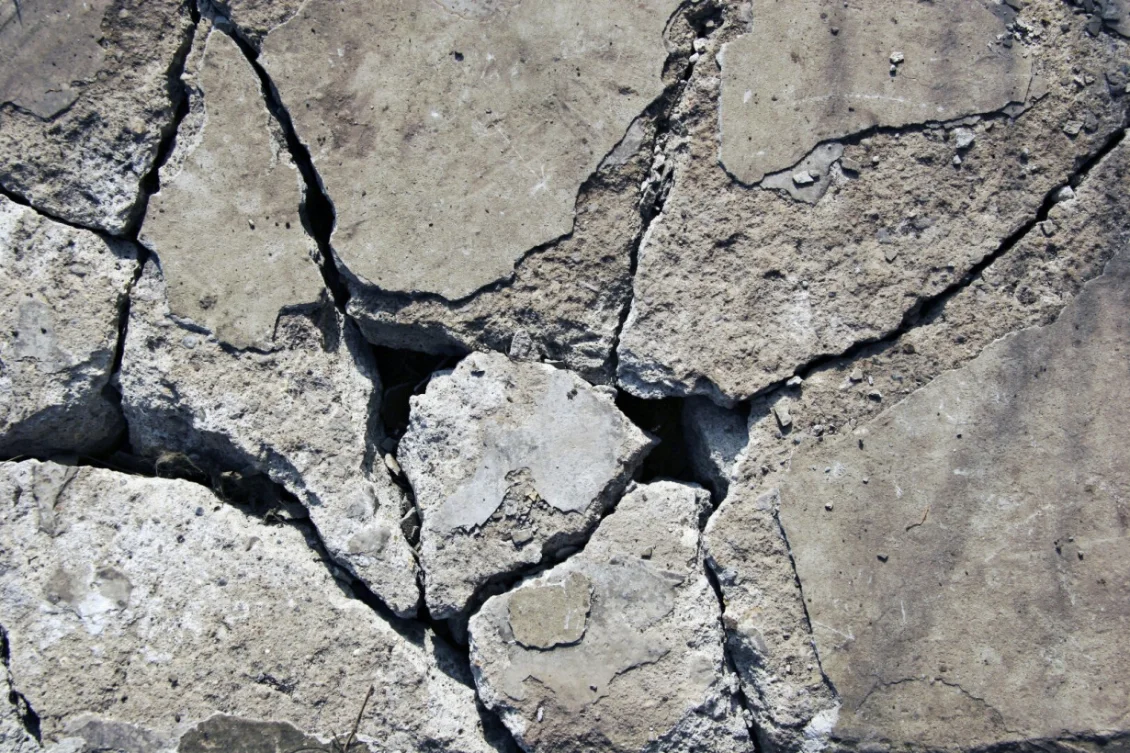
Despite concrete’s impressive durability, it isn’t indestructible. In fact, extreme weather and insufficient support can cause it to crack. Nevertheless, taking proactive steps can prevent this scenario and ensure long-term peace of mind.
As a trusted provider of premium, cost-effective Brisbane wire sawing services since 2003, we can provide you with valuable knowledge, empowering you to take charge of your project and provide 100% customer satisfaction to your clients.
By understanding the causes of concrete cracking and several preventive measures, you can ensure your project’s long-term durability and success.
What Causes Concrete Cracking?
Understanding the causes of concrete cracking allows you to take proactive measures and ensure a seamless project completion. These risk factors include the following:
Excessive water
The typical water-to-cement ratio is 0.4 to 0.6 by weight, meaning you only need 40 kg to 60 kg of water for every 100 kg of cement. It’s important to note that you can slightly adjust this ratio based on the application requirements.
Water can be a double-edged sword for concrete: although it makes installation easier, too much water can also weaken it. Worse, the evaporation of excess water can cause the concrete to shrink as it dries and hardens, leading to cracking.
Short drying times
Insufficient water can damage concrete; that’s why following the water-to-cement ratio of 0.4 to 0.6 by weight is critical to achieving the ideal mixture and optimum strength.
Since concrete curing usually takes two weeks, concrete requires adequate water to prevent the structure from drying too fast and cracking. If you’re unsure about the recommended ratio, consulting a trusted, experienced professional ensures optimal performance.
Incorrect application strength
It’s important to note that concrete has varying strengths. Unfortunately, if an inexperienced contractor chooses the wrong strength for your application, it can crack, compromising your project timeline. Choosing a reputable contractor with extensive experience in concrete applications is essential to select the correct strength and prevent cracking, ensuring long-term success.
Inferior subgrade preparation
The subgrade is the prepared ground (natural earth, compacted ground, or prepared material) sitting directly beneath a concrete application.
We recommend preparing a level, debris-free subgrade to prevent cracking and ensure a stable foundation.
Unsuitable contraction joints
These joints regulate movement under concrete to prevent cracking. Incorrect contraction joints make concrete more vulnerable to stress, leading to premature cracking. A highly experienced contractor can install contraction joints in the appropriate locations and depths to ensure long-term stability and durability.
What are the Different Kinds of Concrete Cracks?
Inevitable concrete cracks can compromise the structural integrity of your application. Fortunately, other types are easier to fix. If you notice any of the following cracks in your concrete structure, taking proactive measures and immediate action can prevent the situation from escalating and ensure peace of mind:
- Overloading cracks: As the term implies, these cracks appear on overloaded concrete structures. They are more common on soft ground than in residential settings.
- Hairline cracks: Although thin, they penetrate deeply into the slab during concrete curing. These cracks are more prevalent in winter, when water permeates the structure and eventually freezes, expanding and causing cracks.
- Shrinkage cracks: These cracks form in freshly-poured concrete as it dries and cures. Water evaporation causes the slab to shrink and eventually crack. These cracks aren’t severe and don’t compromise strength.
- Settling slab cracks: Incorrect soil compacting leads to settling and cracking over time. Settling slab cracks usually indicate that the slab’s support has been severely compromised, requiring professional concrete lifting.
- Heaving slab cracks: Freeze-thaw cycles in winter and massive tree roots can push the ground upward, causing heaving slab cracks.
- Foundation settlement cracks: These serious cracks appear on foundation walls, creating a stair-step pattern. Industry experts link these cracks to uneven settlement from soil issues or poor site preparation.
- Structural cracks: These cracks can deceive anyone, as they penetrate the full thickness of the concrete slab. Overloading, inferior structural design, poor construction, shifting soil, or excessive moisture intrusion can cause structural cracks. If left unchecked, these cracks can lead to leaking and weaken the stability of buildings.
- Crazing cracks: These cracks mimic spiderwebs appearing on concrete surfaces. Premature drying during curing is the leading cause of crazing cracks that can significantly age concrete structures.
- Crusting cracks: Extreme temperatures can dry the concrete surface faster than the layers underneath, creating a fragile, crusty, and crack-prone upper layer. Fortunately, crusting cracks are superficial, surface-level issues that don’t compromise structural integrity.
- Re-entrant corner cracks: Poured concrete in corners, notches, manholes, or columns can shrink unevenly, causing re-entrant corner cracks.
- Internal reinforcement corrosion cracks: Although rebar or mesh reinforces concrete, rust can compromise its strength and durability. Excess moisture corrodes reinforced steel, causing rust to expand and push outward until the adjacent concrete cracks and splinters.
Preventing Cracks in Concrete
Careful, meticulous concrete formulation and installation can prevent cracking, ensuring a smooth project timeline and long-term durability. The following tips can help you achieve these objectives and feel more confident about your concrete skills:
- Ensure proper concrete curing: Concrete usually takes up to 30 days to dry and settle completely. To prevent cracking, spray the concrete surface with water several times daily during the first week. Spraying frequency usually increases in hot, dry weather.
- Install control joints: Cut weak spots in the concrete structure to redirect potential cracking through control joints, significantly reducing the risk of damaging the slab’s main framework.
- Add the correct amount of water: A water-to-cement ratio of 0.4 to 0.6 by weight usually prevents cracking and ensures long-term stability. Note that you can adjust this ratio slightly depending on the application’s requirements. Consult a trusted builder for valuable guidance and insights.
- Compress the base: Adequate slab support is critical to preventing cracking. Ensure that the base beneath the concrete is compact. Otherwise, the material will settle, creating a void.
- Reinforce with steel: Steel wire mesh underneath the concrete strengthens the application’s foundation, ensuring long-term durability and peace of mind.
Concrete Crack Repair Techniques
We recommend fixing concrete cracks immediately before they become severe and cause serious issues. Existing cracks can allow moisture to permeate the structure, freeze, and damage the concrete. For this reason, taking proactive steps can prevent cracking and help you take control of your project.
The following steps can help you fix prominent concrete cracks:
- Use a masonry chisel and hammer to widen the split’s base. Eliminate any loose debris from the old concrete with a wire brush or a garden hose.
- Use a vacuum or brush to eliminate water pooling from the cracks.
- Ensure that you follow the manufacturer’s guidelines in creating the recommended concrete-patching mixture.
- Fill the cracks with the concrete-patching compound and smooth the surface with a trowel.
- Roughen the surface with a dry brush, then allow the compound to dry according to the manufacturer’s recommendations.
Conclusion
Although builders use concrete in many residential, commercial, and industrial applications, it isn’t indestructible. Overloading, excessive moisture, inferior construction, and extreme temperatures can cause it to crack over time.
Taking proactive steps, including proper curing, control joints, adequate water, compact base support, and sturdy steel reinforcement, prevents cracking, ensures structural integrity, and provides a high return on investment.
Since 2003, Cutrite Concrete Sawing & Drilling has been a trusted Brisbane hand and ring sawing provider to numerous residential, commercial, and industrial clients across Australia. Our unwavering commitment to 100% customer satisfaction and safety has earned their trust and confidence.
Contact us today to schedule an appointment, arrange an on-site inspection, and discover premium, cost-effective concrete solutions that guarantee long-term results.