

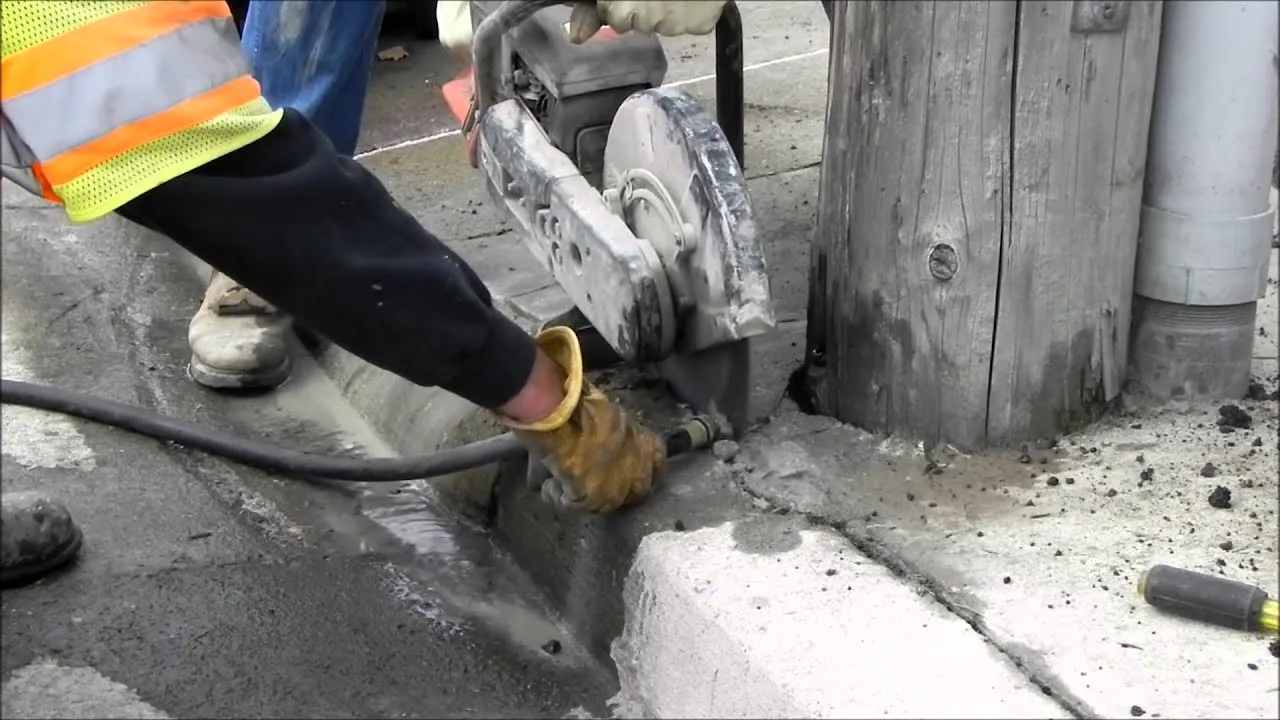
When a commercial site needs a new doorway, service trench, or lift shaft, the first instinct is often to demolish and rebuild from the ground up. But knocking down the slab is usually the most wasteful, noisy, and expensive way to get the job done. Precision concrete cutting offers a better pah: remove only what must go and leave the rest of the structure intact.
For building owners, project managers and facility teams, this is about more than doing the right thing. Less rubble means fewer trucks, smaller tip fees, shorter shutdowns, and a cleaner site. As trusted providers of concrete cutting solutions since 2003, we can help you achieve these goals and keep your project running smoothly.
Key Takeaways
- Precision concrete cutting reduces construction waste by removing only the required sections of concrete instead of demolishing entire structures unnecessarily.
- Selective removal supports material recovery, allowing concrete pieces to be separated and processed for potential reuse or recycling.
- Recycling concrete conserves natural resources, reducing demand for virgin aggregates used in new construction projects.
- Controlled cutting can limit damage to surrounding materials, helping retain usable building components and reducing unnecessary demolition debris.
- Responsible disposal completes the process, with concrete waste sorted and directed to suitable recycling facilities rather than landfill wherever practical.
This blog explains how precision concrete cutting keeps waste out of landfills, enabling you to make informed decisions and contribute to a greener planet.
Construction Waste: A Growing Problem in Australia
Construction waste is one of the biggest contributors to landfill in Australia. According to the National Waste Report 2022, building and demolition materials made up 25.1 million tonnes of the 75.8 million tonnes of waste Australia generated in 2020–21. That’s roughly one-third of everything the country disposes of in a year.
Although much of that material can be recycled, recycling still requires trucks, fuel, sorting, and crushing. Waste that is never created is always the cheapest and cleanest kind. Zero waste also leads to fewer health issues and contributes to a greener environment. Precision concrete cutting can help you achieve these objectives and gain long-term peace of mind.
Precision Cutting Defined
Traditional demolition relies on breakers, jackhammers, and excavators to demolish existing concrete slabs. Although they’re effective, they can compromise adjacent structures and long-term structural integrity. Vibration travels through the structure, cracks spread past the intended area, and nearby concrete often has to come out.
On the other hand, precision cutting uses diamond-tipped blades, wires, and drill bits to make clean, controlled cuts and preserve the surrounding structure. The main methods include:
- Wall and floor sawing for straight cuts through slabs, walls, and pavements.
- Wire sawing for very thick or awkwardly-shaped sections, such as large footings.
- Core drilling for neat round holes for pipes, cables, and drainage.
- Hand and ring sawing for tight spaces, corners, and areas larger machines can’t access.
Precise, controlled cuts enable the remaining concrete to retain its structural integrity. Contractors also remove the targeted concrete slab in large, tidy blocks, rather than a pile of mixed rubble. For this reason, precision cutting leads to a cleaner work site, reduces landfill waste, and offers unique advantages that conventional demolition cannot.
Reducing Landfill Waste Through Precision Cutting
Choosing precision cutting rather than conventional demolition lowers carbon footprint and helps save the environment. The former method can reduce landfill waste in several ways:
You remove less material.
If you only need a 1.2-metre opening for a new door, a cutting crew removes that section and nothing else. Breaking it out almost always takes more, because the edges crumble and need patching or rebuilding.
Clean blocks are easier to reuse and recycle.
Accurately cut slabs are far easier to handle than broken debris, dust, and steel. Blocks can be lifted out, stacked, and sent straight to a recycler, crushed for road base, or reused on site for retaining walls and landscaping.
Less damage means less rebuilding.
Every crack caused by heavy breaking is a future repair, and repairs mean new concrete, new formwork and more waste. Clean cuts protect the surrounding structure, cause less damage, reduce rebuilding, and prevent costly repairs.
Fewer truck movements
Less material and tidier loads mean fewer skip bins and fewer trips to the tip, which saves fuel and reduces traffic around busy commercial sites.
How Your Project Benefits from Precision Concrete Cutting
Beyond the environmental gains, cutting usually makes life easier for the people running the site. Its advantages include:
- Less noise and vibration: Diamond cutting makes significantly less noise than jackhammering, which matters for offices, hospitals, and shopping centres that prioritise operational efficiency.
- Less dust: Most cutting uses water to cool the blade, keeping dust down and protecting workers from silica.
- Faster turnaround: A planned cut can often be finished in hours rather than days, with far less cleanup and faster turnaround times.
When Is Cutting Better Than Demolition?
Precision cutting suits most jobs that require partial modification, including:
- Creating new doorways, windows, or openings in concrete walls.
- Cutting trenches for plumbing, drainage, or electrical upgrades
- Installing lifts, stairwells, or roof hatches.
- Running services through floors and walls with concrete coring services.
- Removing damaged slab sections or parts of loading docks.
Full demolition still has its place when a whole building has reached the end of its life. Nevertheless, cutting is often used to break large structures into sections that are easier to recycle.
Hiring the Right Concrete Cutting Contractor
When you’re comparing concrete cutting companies, ask:
- Do they scan the concrete first to locate steel, cables, and post-tensioned strands?
- Can they handle a range of methods, from wall sawing to the hand and ring sawing Brisbane sites often need in tight plant rooms and basements?
- How do they manage slurry and dust?
- Where does the removed concrete go: landfill or a recycler?
Instead of reporting to traditional demolition straight away, a reputable contractor will often recommend practical, sustainable concrete cutting solutions that drastically reduce waste and landfill. Ask for a site visit and a written plan before work begins, so you know exactly what will be removed and where it’s headed.
At Cutrite, we offer safe, innovative concrete cutting solutions that guarantee results and reduce landfill waste. Book an appointment today to discuss your project and experience concrete cutting techniques that exceed your expectations.
Frequently Asked Questions (FAQs)
Is concrete cutting more expensive than demolition?
Although contractors use specialised concrete cutting equipment, you save on labour, tip fees, cleanup, and repairs to surrounding concrete. For partial removal jobs, cutting is often the cheaper option overall.
Can removed concrete be recycled?
Clean concrete blocks are easy to send to recyclers, who crush them into aggregate for road base, drainage, and new construction. Some blocks can even be reused on site.
Will cutting compromise long-term structural integrity?
Concrete cutting preserves long-term structural integrity by taking out only the desired portion and preserving the remaining structure. An engineer should approve openings in structural elements, and the concrete should be scanned first. Clean cuts avoid the cracking that heavy breaking can cause.
How noisy is concrete cutting?
Concrete cutting is much quieter than jackhammers or breakers. Diamond saws and core drills create less vibration, so businesses can often keep operating nearby while work continues.
What is concrete coring used for?
Coring drills precise, round holes through slabs and walls. It’s used for plumbing, electrical conduits, air conditioning, drainage, and taking samples to test concrete strength.