

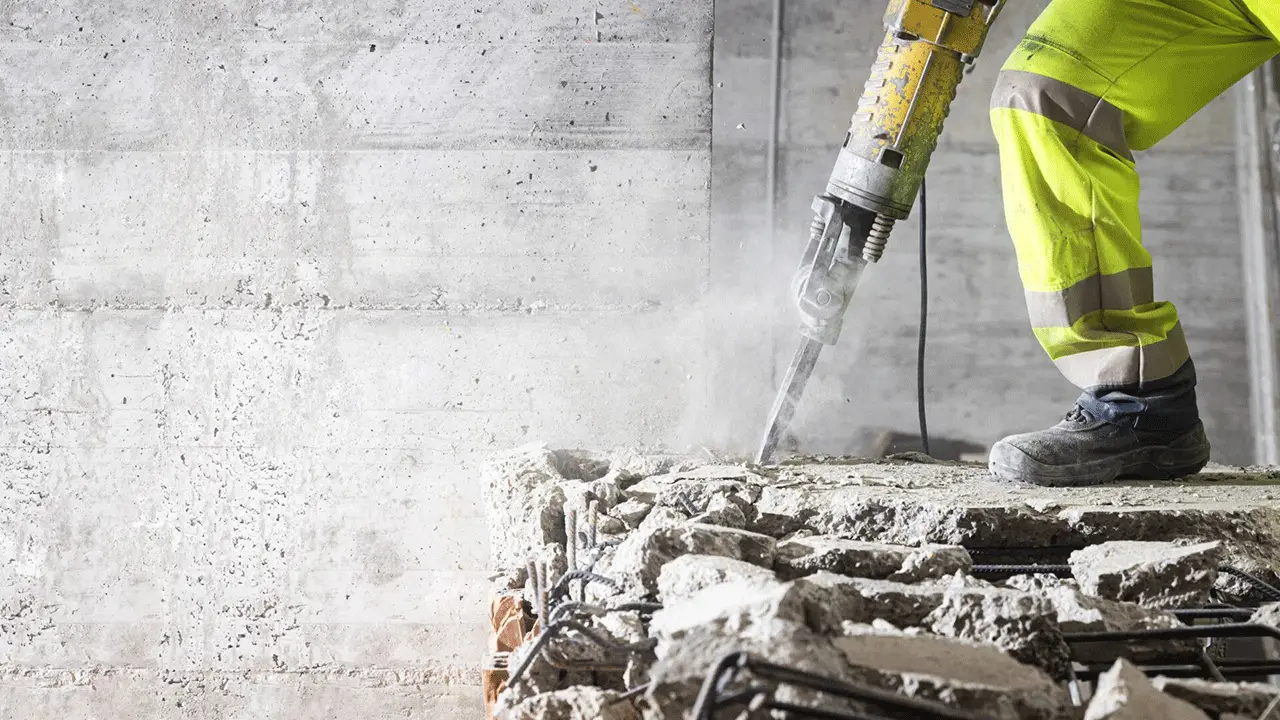
Hand Arm Vibration Syndrome (HAVS) is a severe occupational health condition common among workers who regularly use vibrating tools and machinery. Understanding the long-term repercussions of HAVS is critical for construction professionals to take proactive measures and safeguard the health and well-being of their workers.
If you’re unfamiliar with Hand Arm Vibration Syndrome, we’re here to help. As a trusted provider of Brisbane wire sawing services since 2003, our proven track record and industry knowledge help increase HAVS awareness and empower construction industry professionals to prioritise their workers’ welfare.
Key Takeaways
- Hand-arm vibration from frequent use of power tools in construction can cause Hand-Arm Vibration Syndrome, a serious occupational health condition affecting blood vessels, nerves, muscles, and joints.
- Common vibrating tools such as jackhammers, grinders, drills, and concrete cutters transmit harmful vibration into workers’ hands and arms.
- Early symptoms of HAVS include tingling, numbness, reduced sensation, pain, and weakened grip, which can progress to permanent damage if exposure continues.
- Workers with prolonged vibration exposure may face long-term impacts on job performance, daily tasks, and overall quality of life.
- Preventive strategies include selecting low-vibration tools, regular maintenance, using anti-vibration PPE, task rotation, and proactive training to reduce exposure.
This blog delves deeper into the dangers of hand-arm vibration in construction, providing you with timely insights to safeguard your workers’ health and ensure smooth project timelines.
What Is Hand Arm Vibration Syndrome?
Hand Arm Vibration Syndrome (Vibration White Finger) is an occupational health condition that affects workers’ vascular and sensorineural systems (nerves, blood vessels, and connective tissues) due to frequent operation of vibrating tools and machinery, such as jackhammers, grinders, drills, or concrete cutters.
The typical symptoms of HAVS include:
- Vascular symptoms: White or pale fingers in cold conditions and reduced blood flow leading to numbness or pain.
- Neurological symptoms: Tingling, numbness, loss of sensation in the fingers, reduced sensitivity to touch, temperature, or pain, and poor hand coordination. These could be manifestations of nerve damage that affect workers’ ability to perform precise, motor-skill tasks.
- Musculoskeletal symptoms: Pain or stiffness in hands, wrists, or forearms, reduced grip strength, and issues performing motor tasks. Repetitive vibrations can strain the muscles, tendons, and joints of the hands and arms, leading to pain and discomfort.
Consequences of HAVS
HAVS symptoms can vary from mild to severe, depending on the duration and intensity of the activities. These symptoms include:
- White finger: In this scenario, the fingers turn pale and cold due to constricted blood vessels, limiting blood flow.
- Tingling and numbness: These sensations, caused by nerve damage, make it difficult to perform routine, precise construction tasks.
- Weak grip strength: Compromised grip strength can negatively affect workers’ ability to operate construction tools. A weak grip can affect the accuracy and quality of work.
- Pain and discomfort: HAVS can cause pain and discomfort in the hands and arms, affecting their efficiency and confidence at work. Worse, these sensations can also affect their lives away from the construction site.
Who Is At Risk of Hand Arm Vibration Syndrome?
Workers who regularly use vibrating equipment, such as breakers, concrete pokers, sanders, grinders, concrete cutters, and drills, are at high risk of developing Hand Arm Vibration Syndrome (HAVS). Studies have shown that up to 20% of individuals diagnosed with HAVS change jobs or retire due to the severity of the condition.
Workers who use vibrating tools and machinery for hours without breaks are at high risk of developing HAVS. Substandard tools and equipment, as well as insufficient training, can also lead to HAVS over time.
Equipment Commonly Associated With Hand Arm Vibration Syndrome
Tools and machinery that can increase the risk of Hand Arm Vibration Syndrome include:
- Power tools: Angle grinders, chainsaws, jackhammers, and impact wrenches generate significant vibration and can trigger HAVS.
- Handheld equipment: Sanders, rotary hammers, and concrete vibrators can cause HAVS when used for prolonged periods. These tools send vibrations to the hands and arms, triggering pain and discomfort.
Increased duration, intensity, and frequency of vibration exposure increase the likelihood of Hand Arm Vibration Syndrome. Taking proactive measures helps prevent HAVS and safeguards workers’ health and well-being.
Strategies to Minimise HAVS Risk
Minimising the risk of Hand Arm Vibration Syndrome requires a comprehensive strategy, including:
- Tool choice: Select low-vibration tools or those with vibration-damping features. Manufacturers often specify the vibration levels in their user manuals, allowing employers to make informed decisions about tool use.
- Maintenance and inspection: We recommend inspecting and maintaining tools regularly to ensure they operate properly and efficiently. Otherwise, they may vibrate, increasing the likelihood of HAVS. Replace or repair damaged tools and machinery immediately to prevent this scenario.
- Personal Protective Equipment (PPE): Anti-vibration gloves help minimise the transmission of vibrations to the hands, thanks to specialised paddings that minimise the risk of HAVS.
We also recommend wearing long sleeves and arm protection to prevent secondary injuries from tool use and ensure peace of mind.
- Proper handling techniques: Use both hands whenever using tools and machinery to distribute the vibration evenly. Whether handling Brisbane hand and ring sawing tools or other equipment, use a firm, relaxed grip—gripping them too tightly increases vibration.
- Training and education: Training and educating your workers on the risks and preventive measures associated with HAVS helps prevent serious health conditions. Moreover, always remind them to take regular breaks to minimise the risk of Hand Arm Vibration Syndrome.
If your workers experience any symptoms, they must inform their superiors immediately to prevent the situation from escalating. Regular medical assessments help identify high-risk workers, allowing employers to implement the appropriate strategies.
- Regular breaks and task rotation: Ensure you incorporate regular breaks to allow workers to recover from prolonged vibration exposure.
Consider rotating vibrating and non-vibrating tasks to workers, allowing sufficient recovery without compromising project quality. This strategy helps distribute the workload and prevents risky, prolonged exposure to vibrating tools and machinery.
Conclusion
Hand Arm Vibration Syndrome is a major concern for construction professionals who operate vibrating tools and machinery. Understanding its risks, long-term repercussions, and preventive strategies empowers employers and workers to prioritise workplace safety, health, and well-being.
Comprehensive risk assessments and timely, proactive interventions, such as regular health screenings, tool selection, maintenance, and handling, Personal Protective Equipment (PPE), training, regular breaks, and task rotation, allow construction companies to achieve these objectives.
Take that critical first step to a successful project with us. Since 2003, Cutrite Concrete Sawing & Drilling has empowered numerous clients in Australia with premium Brisbane floor and road sawing services that deliver optimal results.
Contact us to schedule your appointment, arrange an on-site inspection, and experience cost-effective concrete sawing and drilling solutions that exceed expectations.