

Concrete’s durability, strength, and cost-effectiveness make it the most popular construction material worldwide. Contractors use concrete to build homes, commercial structures, highways, dams, bridges, and other innovative structures.
Concrete combines cement, water, sand, and aggregates (gravel or crushed stone) to create a low-maintenance, energy-efficient, and fire-, erosion-, weathering-, and rotting-resistant composite material with a high return on investment.
Although concrete fortifies and strengthens various structures, renovations, redevelopment projects, or severe damage prompts demolition work. Concrete cutting can be challenging, but with the right expertise, tools, and equipment, it can be safer, efficient, and less intrusive.
If you’re wondering how you can achieve these goals, we’ve got you covered. As a trusted provider of reliable, cost-effective Brisbane wire sawing services since 2003, our expertise can help you fast-track your project and achieve optimal results.
This blog will explore several ways to minimise noise and vibration during concrete demolition, empowering you with knowledge and helping you maintain peace of mind.
Conventional Concrete Demolition Techniques
Australian contractors usually offer the following traditional concrete demolition methods:
- Manual demolition: This technique, which uses handheld tools such as jackhammers, sledgehammers, and pry bars, is suitable for applications such as sidewalks and driveways.
- Mechanical impact: This method uses heavy machinery, such as hydraulic breakers, excavators, and wrecking balls, to demolish high-rise buildings, factories, and other large structures.
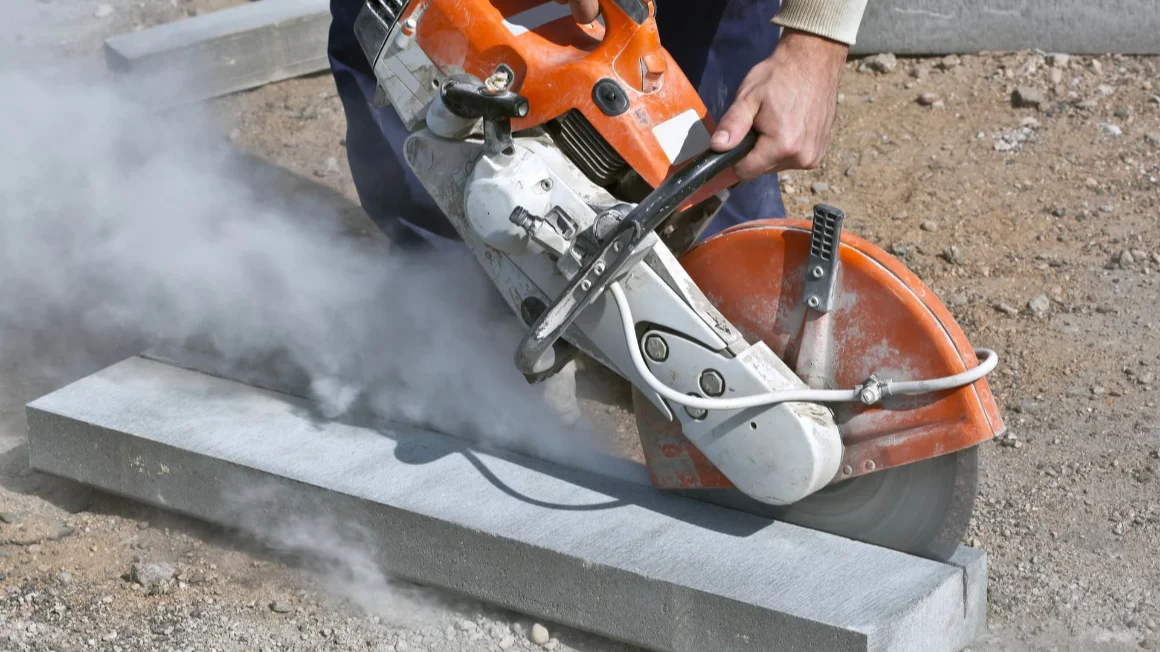
- Concrete saw: This tool’s diamond-tipped blades cut concrete into smaller sections for quick, convenient removal.
- Hydraulic breakers: Contractors mount this powerful tool on an excavator to demolish buildings, bridges, walls, concrete slabs, and floors.
- Hydraulic splitters: Technicians insert these tools into pre-drilled holes and use hydraulic pressure to demolish concrete.
- Explosives: Licenced explosive engineers carefully place charges to weaken a structure’s supports, causing it to collapse.
- Thermal lancing: Contractors fill a steel pipe with oxygen and iron rods, producing intense heat that melts concrete structures.
- Water jetting: In this scenario, a high-pressure water jet removes deteriorated concrete, preparing the surface for overlays or repairs.
Determining the Appropriate Demolition Technique
Essential factors for choosing a suitable demotion technique include the following:
- The type and size of structure
- Location and accessibility
- Desired precision (selective or complete demolition)
- Material and structural condition
- Project timelines
- Safety considerations
- Environmental concerns
- Cost and budget
Safety Risks
The safety risks of demolition work include falling debris, crumbling structures, dust, and exposure to toxic materials. For this reason, project managers must prioritise safety and ensure that their workers wear the appropriate Personal Protective Equipment (PPE), including hard hats, safety goggles, earplugs or earmuffs, dust masks, heavy-duty gloves, high-visibility vests, and steel-toe boots.
Noise and Vibration
Hydraulic breakers and jackhammers produce intense noise and vibration, which may affect adjacent neighbourhoods, buildings, and ecosystems. Hence, contractors must comply with local rules and regulations to prevent disputes and legal action.
Dust and Air Pollution
Dust and airborne pollution are notorious byproducts of concrete demolition, potentially causing severe respiratory issues, such as silicosis, chronic obstructive pulmonary disease (COPD), or lung cancer.
Taking proactive steps, such as wearing dust masks, helps prevent these conditions and ensures workers’ peace of mind.
Demolition Grout Defined
Demolition grout is a practical concrete demolition alternative that significantly reduces noise, dust, and vibrations compared to traditional methods, making it suitable for sensitive sites and densely populated areas. For this reason, demolition grout can be a game-changer for project managers seeking a safer alternative to conventional demolition techniques..
Demolition grout (demolition agent or expansive mortar) is a grey powder resembling portland cement that demolishes concrete structures without noise, dust, vibrations, or debris. This technique exerts expansive pressure on the application, causing it to crack or break under tension.
How to Use Demolition Grout
Following these steps for demolition grout allows you to demolish concrete without noise, dust, and debris safely:
- Drill holes into the application: We recommend reading the manufacturer’s guidelines carefully before applying demolition grout. Drill holes into the application, with the hole sizes depending on concrete durability, demolition goals (full or partial), and the application’s size and thickness.
- Mix thoroughly with water: Follow the manufacturer’s specifications and mix the demolition grout with water. Achieving the right consistency usually produces the best results.
- Pour the grout into the holes: Pour the mixture carefully into the holes, working fast and efficiently to prevent thickening.
Swelling and Breaking
The demolition grout will slowly expand and exert pressure on the adjacent concrete, causing it to crack and crumble over time. Depending on the temperature, concrete durability, and the hole sizes, the demolition process usually takes 18 to 48 hours.
Demolition Grout Benefits
The key benefits of demolition grout include the following:
- Safer than traditional methods: Unlike conventional techniques, demolition grout doesn’t produce noise, dust, debris, shockwaves, and toxic gases.
- Minimal noise, dust, and vibration: Demolition grout is a quiet process that doesn’t generate dust or vibration, making it ideal for densely populated areas and sensitive sites.
- Lower injury risk: Despite workers’ best efforts, accidents can still happen. Traditional concrete demolition methods increase the likelihood of cuts, bruises, abrasions, facial and bodily injuries, repetitive strain, respiratory issues, hearing damage, and tripping hazards. On the other hand, demolition grout doesn’t produce these risks, allowing workers to enjoy peace of mind while they work.
- Accurate demolition: Demolition grout is a controlled, precise technique for demolishing concrete structures, providing reliable results and minimising damage to adjacent structures, allowing you take control of the process.
- Easy to use: The straightforward steps for using demolition grout are easy to follow and don’t require specialised training, licenses, or permits, helping you gain confidence in this demolition method.
- Cost-effective and budget-friendly: Since demolition grout doesn’t use heavy machinery and specialised labour or equipment, you can stick to your project budget without any exorbitant costs.
- Fast cleanup: Unlike conventional demolition techniques, which generate significant dust and debris, demolition grout produces material that is easier to manage and clean.
- Mitigated risks and legal obligations: Demolition grout significantly reduces the legal risks associated with conventional techniques. Since demolition grout promotes a safer working environment, it also minimises the risk of serious accidents, injuries, legal action, and damage claims for your peace of mind.
- Versatile: Whether you prefer demolition grout for large boulders or tight, confined spaces inaccessible to large, heavy equipment, demolition grout succeeds in various applications, including the following:
- Residential applications: These projects include concrete slab removals, foundation work, landscaping and outdoor projects, structural renovations, and safe indoor demolition.
- Commercial applications: Demolition grout’s typical commercial applications include industrial flooring, structural modifications, urban projects, demolition in sensitive areas (sensitive equipment, hospitals, schools, churches, or office buildings), and landscaping.
- Industrial applications: Demolition grout can safely destroy bridges, overpasses, underpasses, tunnels, roads, highways, dams, railways, and airport projects.
How Does Demolition Grout Break Concrete?
Demolition grout’s expansive process exerts gradual tensile stress on concrete, causing it to expand and eventually break. Its essential elements and mechanisms include the following:
- Expansive materials: Demolition grout’s expansive compounds include portland cement, calcium oxide, and other additives (silica, gypsum, and specific stabilisers) that expand when mixed thoroughly with water. They exert collective pressure on the application, causing it to split and crack in 18 to 48 hours.
- Water-induced reaction: Mixing demolition grout with water creates a hydration reaction, kickstarting concrete expansion and breaking. The specific product and environmental conditions determine the reaction time and intensity.
- Splitting and breaking: Continuous, gradual expansion causes the concrete to split and break, eventually disintegrating into compact, manageable fragments.
- Thermal conditions and timing: These factors influence the performance of demolition grout. For instance, higher temperatures facilitate the process, while lower temperatures may compromise it. For these reasons, following the manufacturer’s guidelines is critical to ensure safety and optimal performance.
Conclusion
Demolition grout offers clients a proven, cost-effective, safe, efficient, and sustainable concrete demolition technique. Its accurate demolition properties and ease of use significantly lessen noise, vibrations, debris, disruptions, project delays, injuries, and legal disputes, allowing you to take charge of your project and enjoy long-term peace of mind.
Whether embarking on a residential, commercial, or industrial project, demolition grout offers project managers and clients a less invasive, budget-friendly, and efficient approach to cutting-edge concrete demolition.
Since 2003, Cutrite Concrete Sawing & Drilling has provided reliable Brisbane hand and ring sawing solutions to numerous clients in Australia. Our unwavering commitment to 100% customer satisfaction and safety ensures a successful, hassle-free project.
Contact us today to schedule an appointment, arrange an on-site inspection, and discover premium concrete-cutting and demolition services that guarantee long-term results.