

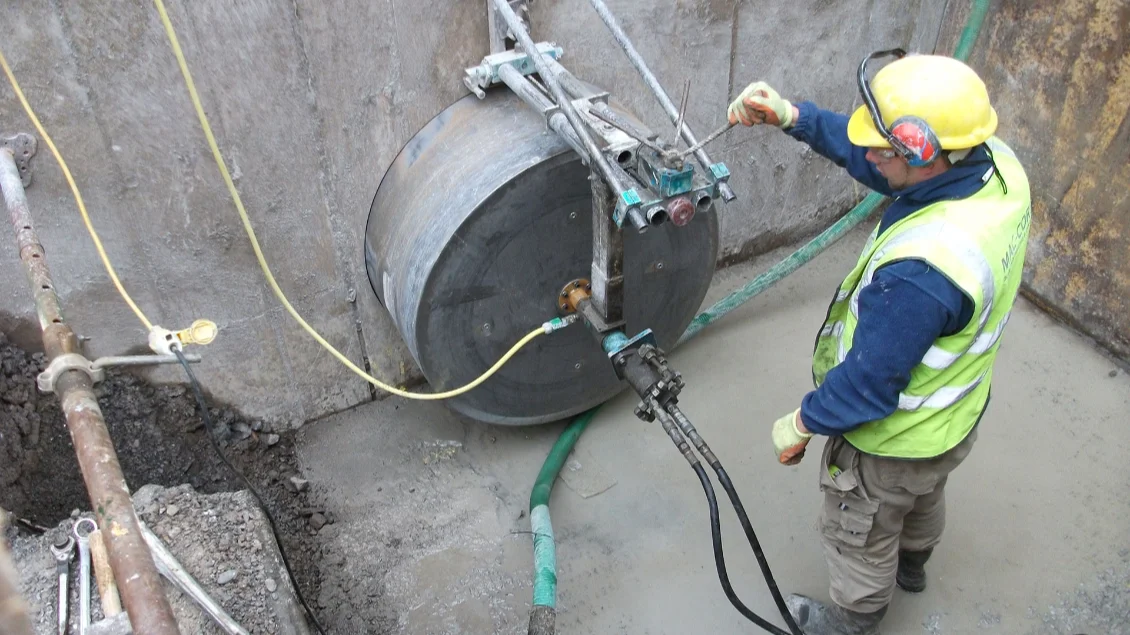
Concrete cutting and coring are premium construction, renovation, and expansion services necessary in residential and commercial projects requiring accurate cuts and openings. Since cutting concrete can be a dangerous undertaking, project managers must prioritise worker safety for their long-term peace of mind and reassurance.
If you’re embarking on a concrete cutting project but don’t know where to start, we’re here to help. As trusted, highly experienced Brisbane robot demolition experts who have provided various clients with premium concrete cutting solutions since 2003, we can provide you with valuable insight to ensure a safe, hassle-free project.
This blog will delve deeper into the safety risks and precautions when cutting concrete, empowering you with the knowledge to raise safety standards, protect your workers from occupational hazards, and ensure a smooth project timeline. Understanding these hazards and precautions will give you a sense of control and anticipation for any situation.
Key Takeaways
- Concrete cutting involves multiple safety risks and hazards that must be understood and managed to protect workers.
- High noise levels during cutting can damage hearing without appropriate protection.
- Working unsupervised or alone increases the likelihood of accidents on site.
- Unstable surfaces pose slip, trip, and fall hazards for operators and others nearby.
- Sudden jolts and kickbacks from cutting equipment can injure operators.
- Hidden obstacles and off‑track cutting may cause uncontrolled tool movement and risk.
- Electrical wiring, plumbing, and gas lines concealed in concrete create serious strike hazards.
- Damaged or worn saw blades can increase vibration and accident risk.
Concrete Cutting Safety Hazards
Concrete cutting involves several safety risks. It’s critical to educate yourself on these hazards so that your team can implement stringent safety measures for everyone’s peace of mind.
Unsafe Noise Levels
Concrete cutting and drilling produce high noise levels that can affect a worker’s hearing. We recommend using the appropriate Personal Protective Equipment (PPE), including earmuffs or earplugs with an approved noise reduction rating. Workers must ensure that they fit correctly and that they wear them consistently to protect their eardrums from damage.
Project managers can also install soundproof enclosures near concrete saws to significantly reduce noise.
Working Unsupervised
Workers increase are at a heightened risk of accidents and injury when cutting concrete alone. Accident prevention becomes challenging without adequate supervision because other workers aren’t present to offer assistance. It’s important to always work in teams to ensure optimal safety.
Unstable Surfaces
Working on surfaces that don’t provide adequate stability, increase the chances of the operator tripping, slipping, and hurting themselves. Worse, he could also injure others within the immediate vicinity. These uneven and wet surfaces may also compromise work quality and damage the concrete slab.
Sudden Jolts
A jolt is an abrupt, forceful reaction when the material resists the cutting blade. In some instances, the saw may jerk back toward the technician or another direction. Jolts can injure the operator and damage the concrete saw.
For these reasons, only highly skilled and experienced operators must use concrete cutting equipment. To prevent sudden jolts, supervisors must thoroughly inspect the quality of the concrete saw and the potential resistance of the material.
Obstacles
Construction site obstacles can cause sudden jolts or operators to mishandle concrete cutting equipment. Some obstructions arise when the masonry resists the blade within the inner concrete steel frame or from brick tiles.
Off-Track Cutting
Off-track cuts can cause the concrete saw to snag, creating a sudden jolt or violent, jerky movement that can damage the material and injure the operator. These instances occur more frequently when using handheld saws.
For this reason, we recommend that only highly experienced operators use concrete cutting saws. Using floor, masonry, wire, wall, or bridge saws is a safer alternative than using conventional handheld saws. These saws can decrease the likelihood of a serious accident and provide you with peace of mind. If your project specifically involves slab work, our guide to safely cutting concrete floors covers the best tools and techniques.
Harmful Fumes
Any power tools or machinery that emit dangerous vapours, particularly when operated in poorly ventilated worksites, can increase a workers exposure to harmful fumes. Increased carbon monoxide levels can compromise respiratory function and cause serious health issues.
Electrical Wiring, Plumbing, or Gas Lines
Some concrete structures conceal hazardous electrical wiring, plumbing, or gas lines. Meticulous planning and execution will increase safety and prevent operators from accidentally slicing these networks and risking their safety and that of other workers.
Damaged or Worn-Out Saw Blades
Using an inappropriate diamond cutting bond can blunt the surface diamonds and cause structural damage and accidents. Damaged or worn blades can create vibrations, splinter fragments, and scatter concrete rubble, risking the safety of on-site workers.
Dangerous Dust Particles
Concrete drilling and cutting produce significant amounts of dust. Aside from wearing Personal Protective Equipment, such as dust masks, workers can use water to cool the equipment and embed the dust into the cut groove, preventing hazardous dust accumulation. For a full breakdown of the health risks involved, read our guide on the dangers of silica dust.
Machine-Induced Vibrations
Long term exposure to unsafe vibrations due to the operation of powerful concrete cutting equipment, can cause nerve damage, joint pain, and other ongoing health issues. For this reason, we recommend checking the equipment thoroughly to ensure it operates properly without excessive vibration. This condition, known as hand arm vibration syndrome, is worth understanding in more detail.
Concrete Cutting Safety Tips
To ensure minimal accidents and a smooth project, we recommend following the stringent concrete cutting Australian and local safety regulations. Project managers must prioritise operational safety so workers can cut concrete confidently without worrying about untoward incidents. If you require valuable insight into concrete cutting safety, we urge you to consult a highly experienced professional who can guide you through the process.
Following these concrete cutting safety tips can help you prevent accidents and ensure a hassle-free project timeline:
Use Personal Protective Equipment (PPE)
PPE equipment, such as hard hats, safety goggles, ventilation masks, ear muffs, steel cap work boots, protective gloves, improves workplace safety and minimises injuries.
Check all equipment thoroughly
We recommend thoroughly inspecting concrete cutting equipment and ensuring that they have no wear and tear before starting your project. To protect the safety of the operators, ensure that the cutting saws’ built-in safety guards work properly.
Familarise workers with safety procedures
Project managers must train their workers on the proper use of concrete cutting equipment. They must follow the standards implemented by SafeWork Queensland or your state’s concrete cutting regulator.
Perform concrete scanning
Scanning concrete slabs and structures can reveal concealed wires, gas lines, and plumbing systems, prevent costly mistakes, and avoid project delays. Premium ground penetrating radar (GPR) equipment can detect conduit, cables, and reinforcements embedded in concrete slabs and ensure optimum safety and efficiency.
Ensure adequate ventilation
As a trusted provider of reliable Brisbane core drilling services since 2003, we recommend cutting concrete in well-ventilated areas to prevent dust accumulation and safeguard worker health.
Wearing PPE dust masks and using premium exhaust ventilation systems can prevent respiratory issues and protect workers’ well-being. We encourage you to provide your team with toiletries, washbasins, and restroom access so they can wash themselves and remove dust residue from their bodies.
Provide electrical safety training
We recommend training your workers on electrical safety protocols to protect them from potential hazards. For instance, they must check power cables, voltage requirements, and surrounding water conditions to ensure they work safely and prevent accidents.
Prevent unauthorised site access
Securing the work area and preventing unauthorised personnel from accessing the project site can prevent mishaps. We recommend installing barricades and warning signs near concrete cutting areas to raise awareness and vigilance of potential worksite hazards.
Prepare for emergencies
Ensure that your staff has access to first aid kits and knowledge of emergency exits and evacuation routes. Cutting concrete entails fire extinguisher access because accidental fires may happen when slicing through metal-reinforced slabs.
Establish clear communication
Establish a communication system for your concrete cutting project to ensure optimum safety and efficiency. Hand signals and radios can help team members communicate and achieve these objectives.
FAQs
What are the safety requirements for cutting concrete?
Concrete cutting safety requirements include proper personal protective equipment, trained operators, equipment checks, dust control, exclusion zones, and pre-job inspections. Workers should wear safety goggles or glasses, respirators or dust masks, earmuffs or earplugs, gloves, steel-toed boots, and high-visibility clothing. Wet cutting should be used where possible to suppress dust, while dry cutting needs suitable ventilation. Equipment should be inspected before use, and the work area should be checked for hidden wires, pipes, gas lines, and other hazards. Barriers and warning signs also help keep unauthorised people away from the cutting zone.
What are the hazards associated with concrete cutting?
Concrete cutting can expose workers to silica dust, loud noise, unstable surfaces, sudden jolts, machine vibration, harmful fumes, hidden services, damaged blades, and equipment-related injuries. Silica dust can lead to serious diseases such as silicosis, lung cancer, kidney disease, and chronic obstructive pulmonary disease. High noise levels can cause hearing loss or tinnitus over time. Cutting into concealed electrical wiring, plumbing, or gas lines can also create severe safety risks. Poor supervision, worn blades, off-track cutting, and unstable work areas can increase the chance of accidents, injuries, and project delays.
How can concrete cutting be done safely?
Concrete cutting can be done safely by planning the job carefully, wearing the correct PPE, inspecting equipment, marking exclusion zones, and using suitable cutting methods. Workers should check the area for hidden wires, plumbing, gas lines, and reinforcement before cutting. Ground penetrating radar scanning can help identify concealed hazards. Wet cutting can reduce dust, while ventilation and dust masks help protect workers from airborne particles. Operators should cut gradually, avoid forcing the saw, and maintain clear communication with the team. Emergency plans, first aid kits, and fire extinguishers should also be available on site.
Why is silica dust dangerous during concrete cutting?
Silica dust is dangerous because cutting, drilling, grinding, or coring concrete can release fine particles that workers may inhale deep into their lungs. Long-term exposure can cause silicosis, an irreversible lung disease that creates scar tissue and affects breathing. Silica dust exposure is also linked to lung cancer, kidney disease, and chronic obstructive pulmonary disease. Because these conditions can develop gradually, prevention matters from the start of the job. Wet cutting, dust extraction, proper ventilation, respirators, air monitoring, and worker training can help reduce exposure and protect long-term health.
Why are diamond saw blades good for cutting concrete?
Diamond saw blades are suited to concrete cutting because industrial-grade diamonds can grind through hard, durable concrete more effectively than many standard blades. They cut through abrasion and microfracture, which means the blade wears the concrete down while creating small fractures that help the cut progress. This allows for cleaner, more controlled cutting when the blade is matched to the job and used properly. Damaged or unsuitable blades can increase vibration, scatter debris, and create safety risks, so workers should inspect blades before use and replace worn or damaged ones promptly.
Conclusion
Concrete cutting involves several risks, including unsafe noise levels, unstable surfaces, exposure to dangerous dust particles, violent and abrupt jolts caused by machinery, obstacles, off-track and damaged saw blades.
You can prevent these hazards by taking proactive measures, such as wearing protective gear, checking cutting equipment regularly, performing concrete scanning, familiarising workers with all necessary safety procedures, ensuring adequate site ventilation, preventing unauthorised site access, and preparing for medical emergencies. Meticulous preparation is half the battle won. Anticipating potential hazards ensures a safe, efficient, and collaborative concrete cutting work environment.
Since 2003, Cutrite has provided numerous Australian clients with premium, cost-effective concrete sawing and drilling services for their residential and commercial projects. Our extensive experience ensures high-quality concrete cutting solutions at affordable rates.
Contact us today to schedule an on-site inspection, receive a personalised, upfront quotation, and receive premium concrete cutting solutions with a high return on investment.