

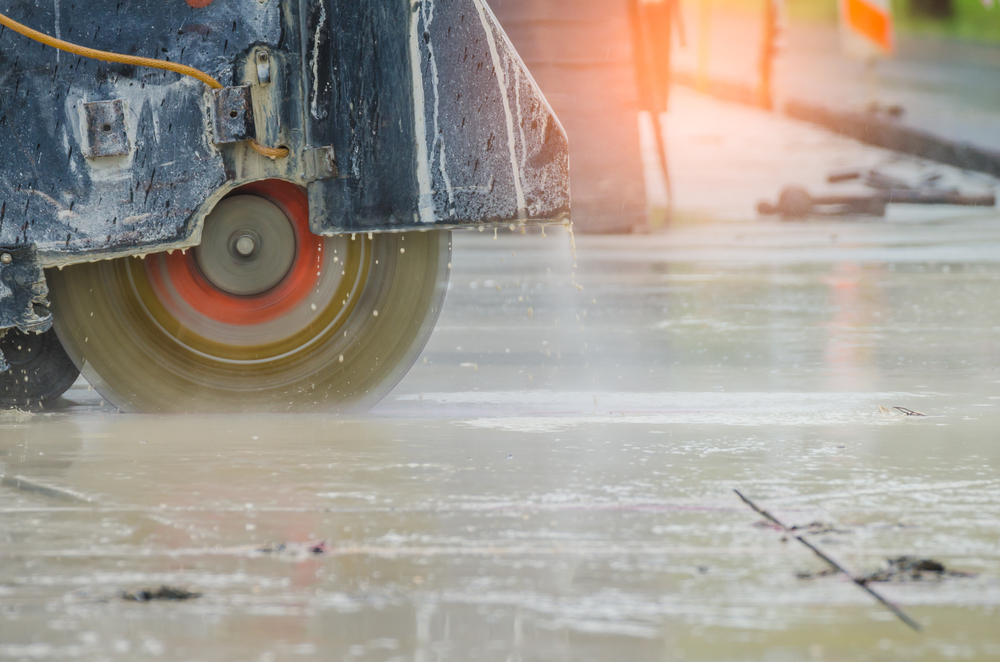
Concrete saws are critical for accurate cutting in construction applications. Whether building a residential, commercial, or industrial project, technicians use various concrete saws, including handheld and large push concrete versions. Understanding the relationship between concrete depth and the appropriate cutting techniques often delivers favourable outcomes.
If you need assistance with this endeavour, we’re here to help. As a trusted provider of premiumBrisbane hand and ring sawing services since 2003, our proven track record offers timely guidance leading to optimal results
Key Takeaways
- Concrete thickness directly influences the choice of cutting equipment and techniques used on a project.
- The maximum depth a saw can cut is determined by blade diameter, saw type, and motor power.
- Heavier, deeper slabs require larger saws or specialised machines like floor saws and wall-mounted units for accurate, safe cutting.
- Handheld saws are better suited to thinner slabs and precision tasks, while larger saws handle greater depth and larger surface areas.
- Reinforcement and material density impact cutting depth and tool selection, often necessitating scanning or planning to avoid embedded obstacles.
- Choosing the right method reduces the risk of tool mismatch, rework, project delays, and safety issues.
This blog explains how the thickness of concrete directly influences the appropriate cutting techniques. Understanding these differences helps prevent tool mismatches, costly project delays, and rework, ensuring precise cuts, safer operations, and smoother project timelines.
Key Factors That Influence Concrete Saw Cutting Depth
Several factors influence a concrete saw’s cutting depth, including:
- Blade diametre: A concrete saw blade can often cut to a depth of 35% to 40^ of its total diametre. For example, a 30 cm blade can cut to a depth of 12 cm.
Larger saw blades, typically used for hand-pushed concrete saws, can cut deeper than smaller ones, making them suitable for thick concrete slabs. On the other hand, operators use smaller blades for handheld saws to deliver more accurate cuts.
- Blade type and condition: Diamond blades are the most appropriate type for deep concrete, reinforced concrete, asphalt, and masonry cutting applications. These powerful blades deliver precise cuts, rendering subsequent refinement work obsolete.
- Saw type and size: Technicians use handheld gas or electric saws for shallower depths (10 cm to 15 cm). On the other hand, road or hydraulic saws can cut to depths of 25 cm to 64 cm.
- Motor power: Gasoline-powered or electric concrete saws maintain high speeds under heavy tension, allowing them to cut at greater depths.
- Material density and reinforcement: Rebar-reinforced concrete can significantly affect cutting depth. Consider investing in trusted Brisbane concrete X-ray scanning solutions to work around potential hindrances within the concrete structure and achieve optimal results.
- Equipment restrictions: The saw’s arbour, flanges, and blade guard can impede the part of the blade’s diametre from penetrating the concrete. In some instances, the cutting depth measures less than half the diametre.
- Handling technique: Expert operators apply the appropriate pressure and speed to prevent overheating and deliver accurate cuts.
Cutting Depths by Concrete Saw Type
In this section, we will explain various cutting depths by concrete saw type, enabling you to determine the appropriate tool for your project.
- Handheld concrete saw: Handheld concrete saws can slice concrete, stone, masonry, and other resilient materials. Since these saws are more lightweight and compact than push saws, they’re easier to handle and manipulate for applications such as concrete slabs, expansion joints, and door or window openings. These tools can cut to a depth of 13 cm.
- Hand push concrete saw: These are large, heavy machines pushed or driven over concrete applications, such as highways, sidewalks, and floors. Their powerful, large blades allow them to cut through these expansive, durable concrete surfaces. Depending on blade size and power output, hand push concrete saws can cut through depths of 10 cm to 30 cm.
- Wall-mounted concrete saws: Also known as track saws, wall cutters, or diamond wall saws, they are specialised, hydraulic, or electric saws with a diamond blade mounted on a secured track for accurate cuts on reinforced concrete, masonry, or stone.
Wall-mounted concrete saws create openings for doors, windows, HVAC, and elevator shafts. They’re also appropriate for demolition work, flush cutting, angle cutting, and specialised projects, such as cutting staircases, dismantling bridge parapets, and cutting complex shapes.
Wall-mounted concrete saws can cut between 10 cm and 40 cm, sometimes deeper with specialised blades. See our comparison of wall sawing vs floor sawing to choose between the two.
- Floor sawing machine: Also known as panel saws, these uniquely-designed machines can cut through horizontal, flat applications, such as walkways or concrete floors. Their large blades and powerful engines deliver accurate cuts of durable concrete slabs. Whether using the vertical (upright frame) or the horizontal (sliding table) version, they are safer and more accurate than conventional table saws. Panel saws can usually cut through depths between 15 cm and 60 cm.
| Concrete Saw Type | Usual Depth Capacity Range |
| Handheld concrete saw | Up to 13 cm. |
| Hand push concrete saw | Up to 38 cm. |
| Wall-mounted concrete saw | Up to 13 cm. |
| Floor sawing machine | Up to 61 cm or more. |
Choosing the Right Concrete Saw for Your Project: Safety, Efficiency, and Cost Considerations
Choosing the ideal concrete saw for your project transcends size, blade type, or power—it significantly affects safety, efficiency, and overall expenses.
We recommend using handheld concrete saws for thinner slabs or light-duty applications. These tools deliver precise cuts and optimal manoeuvrability, allowing technicians to use them on doorways, window openings, and expansion joints. Hence, handheld concrete saws are ideal for projects prioritising accuracy over cutting depth.
Hand push and floor sawing machines are powerful tools ideal for cutting deep into highways, sidewalks, or industrial floors. They drastically reduce operator fatigue and produce optimal results, especially when combined with wet-cutting techniques to minimise dust and blade overheating.
Finally, wall-mounted saws are suitable for specialised projects, such as creating door, window, or HVAC openings or dismantling staircases or bridge parapets. They can deliver accurate, safe cuts even in reinforced concrete.
Choosing the right saw for your project also requires technical skill and site condition considerations. Experienced operators apply the correct pressure and speed to prevent mishaps, extend blade life, and prevent costly rework.
The appropriate concrete saw for the application thickness and project requirements allows you to meet strict deadlines, comply with safety protocols, prioritise worker safety, and stick to your budget.
As trusted contractors of Brisbane core drilling services since 2003, we can help you determine the appropriate cutting tool for your project. Our proven track record and commitment to safety and 100% client satisfaction deliver a high return on investment.
Book an appointment today to receive a personalised quotation, arrange an on-site inspection, and experience proven concrete cutting solutions that guarantee long-term results.
FAQs
How does concrete thickness affect the cutting method?
Concrete thickness affects the type of saw, blade size, motor power, and cutting technique needed for the job. Thinner slabs can often be cut with handheld saws, especially when the work needs precision around doorways, windows, or expansion joints. Thicker concrete usually needs larger equipment, such as hand push saws, floor saws, or wall-mounted saws, because these tools can cut deeper and handle more demanding surfaces. Choosing the wrong method can lead to overheating, inaccurate cuts, blade damage, rework, delays, and safety concerns.
What factors determine concrete saw cutting depth?
Concrete saw cutting depth depends on blade diameter, blade type, saw size, motor power, material density, reinforcement, equipment restrictions, and operator technique. A blade can often cut to around 35% to 40% of its total diameter, although guards, flanges, and the saw’s design can reduce the usable depth. Diamond blades are often used for deep concrete, reinforced concrete, asphalt, and masonry. Rebar or dense concrete can also affect the cut, so scanning and careful planning may be needed before work begins.
When should a handheld concrete saw be used?
A handheld concrete saw is generally used for thinner slabs, lighter-duty work, and areas that need more control. Because it is more compact than larger saws, it can be useful for cutting doorways, window openings, expansion joints, concrete slabs, masonry, and stone. Handheld saws are better when accuracy and manoeuvrability matter more than deep cutting capacity. However, they are not the best choice for very thick slabs or large surface areas. In those cases, a hand push saw, floor saw, or wall-mounted saw may be safer and more efficient.
What saw is best for cutting thick concrete?
Thick concrete usually requires larger and more powerful equipment, such as hand push concrete saws, floor sawing machines, or wall-mounted saws. Hand push saws are suitable for highways, sidewalks, floors, and other broad surfaces, while floor saws can handle deeper horizontal cuts in walkways and concrete floors. Wall-mounted saws are better for vertical surfaces, reinforced concrete, and openings for doors, windows, HVAC systems, or elevator shafts. The best saw depends on the slab thickness, surface position, reinforcement, site access, safety requirements, and the type of cut needed.
What happens if you use the wrong saw for concrete cutting?
Using the wrong concrete saw can affect safety, accuracy, efficiency, and project costs. A saw that is too small may struggle with the required depth, overheat, damage the blade, or leave uneven cuts. A saw that is too large may be difficult to control in areas that need precise work. The right saw should suit the concrete thickness, reinforcement, site conditions, and type of cut required. This helps reduce rework, operator fatigue, delays, equipment damage, and avoidable safety issues during concrete cutting.